Payments
Introducing Oregon’s newest heritage trees: Vanport Cottonwoods
Posted on: May 12th, 2026 in News & Press |
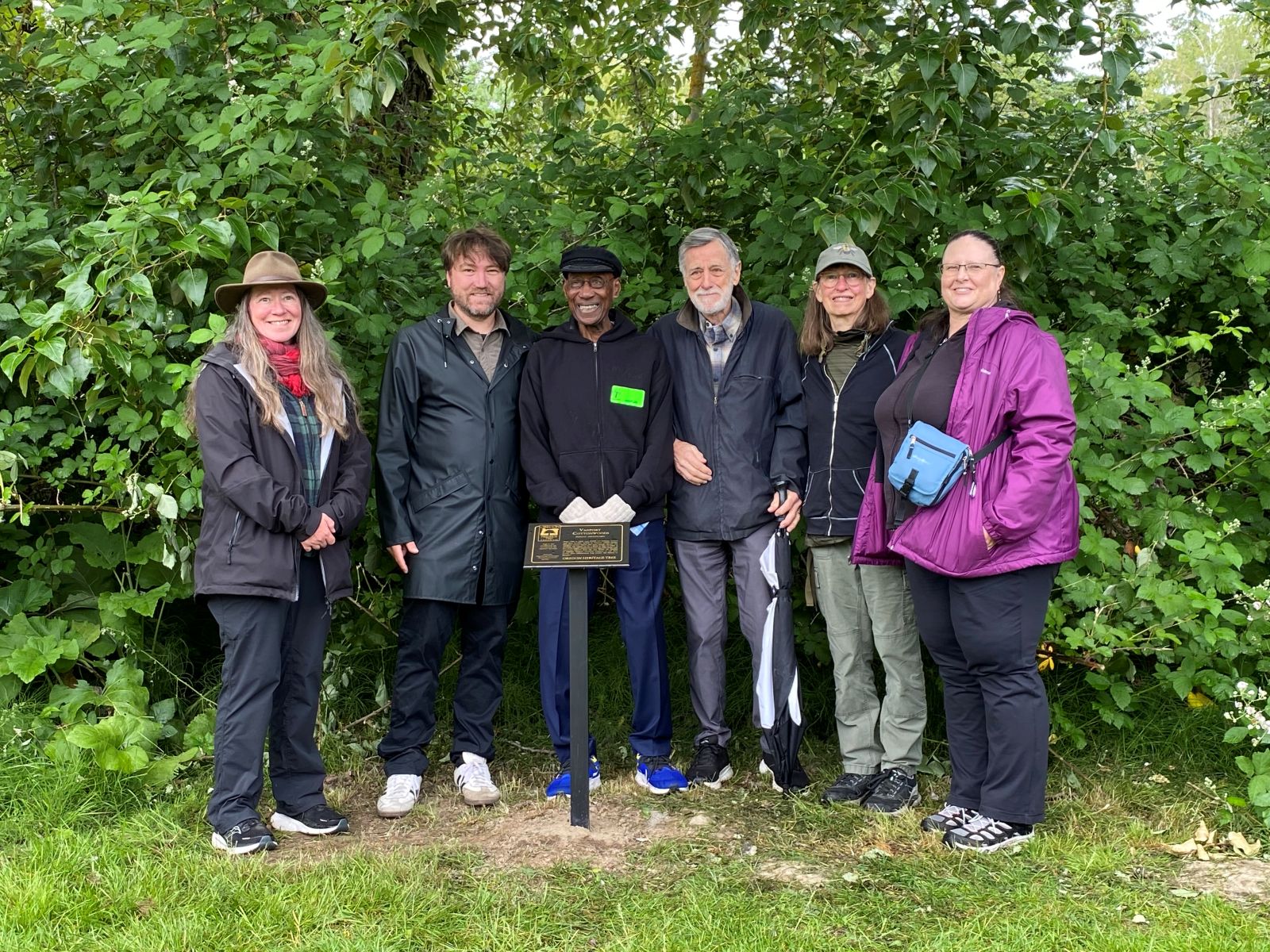
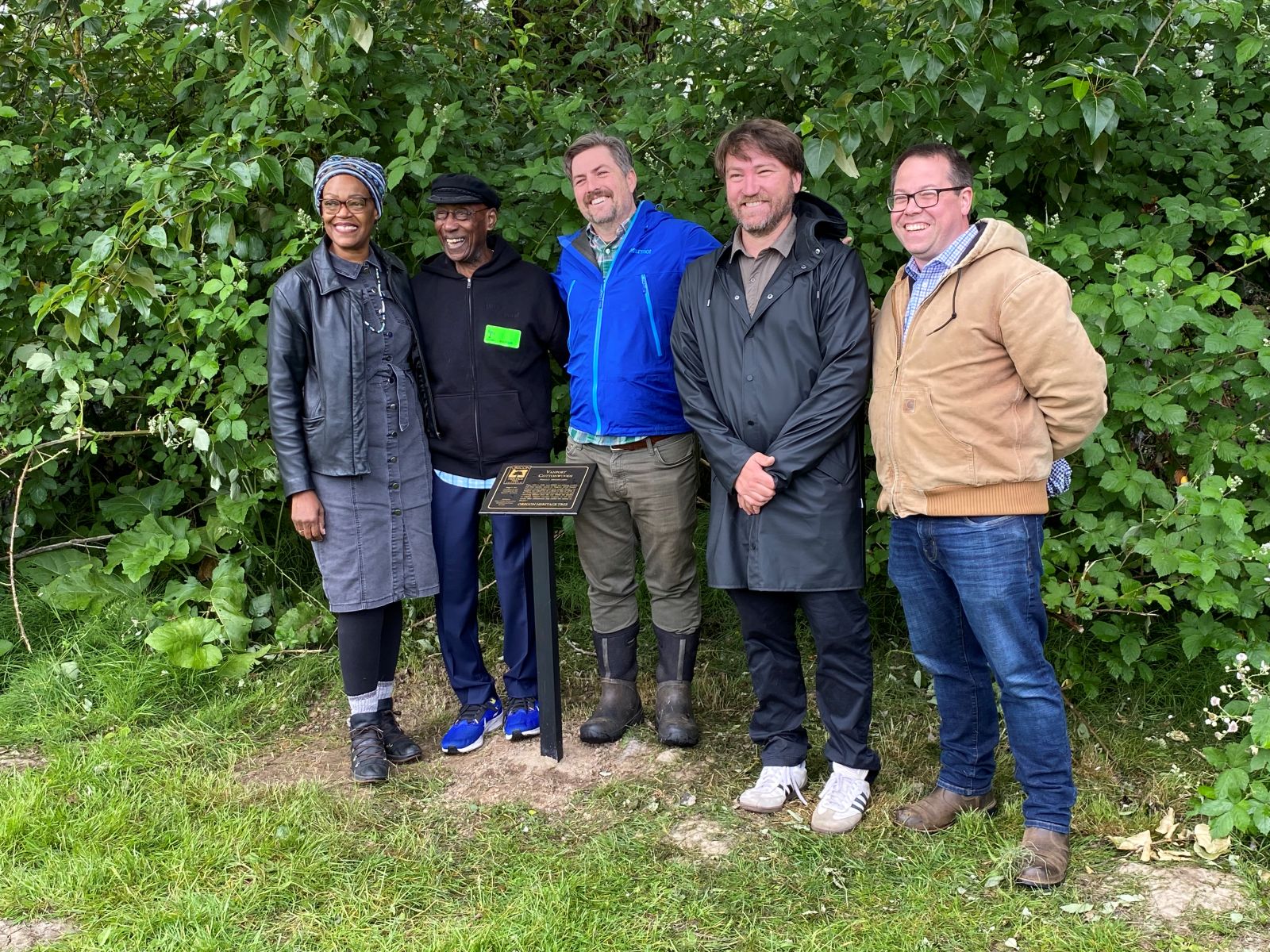
Many thanks to everyone who joined the dedication of the Vanport Cottonwoods on May 29. Dave Hedberg and our speakers shared the history of this area from time immemorial, their experiences during the 1948 flood, the memories their parents shared of Vanport, and an understanding of how aerial photos led to identifying these trees which likely witnessed the 1948 flood.
Vanport was among the largest wartime housing projects in the United States, housing over 40,000 people at its peak during World War II. From 1942 to 1948 it was also the second largest city in Oregon. It was built in one year to house workers and families in war industries, primarily at the Vancouver and Portland shipyards. Vanport was wiped out by Columbia River floodwaters on Memorial Day weekend, May 30, 1948.
Today, there are few remnants of this community on the landscape. Thanks to a collaboration between Nidus Consulting, Outdoor History Consulting, and the Vanport Placemarking Project, several cottonwood trees have been identified that likely survived the Vanport Flood. The team utilized aerial photos from the City of Portland’s Archives to track images of the same stands of trees in the same locations over decades to provide strong evidence.
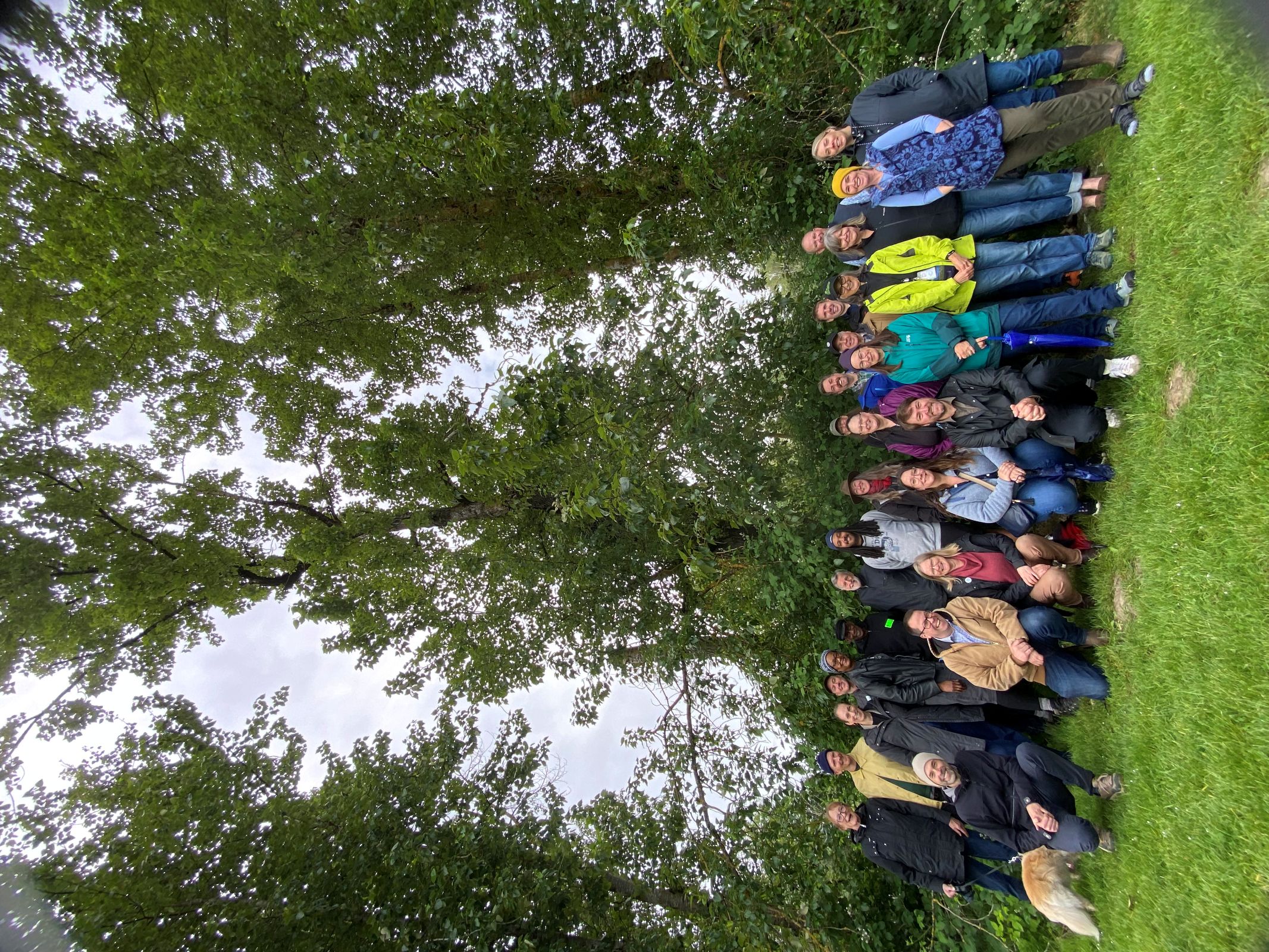
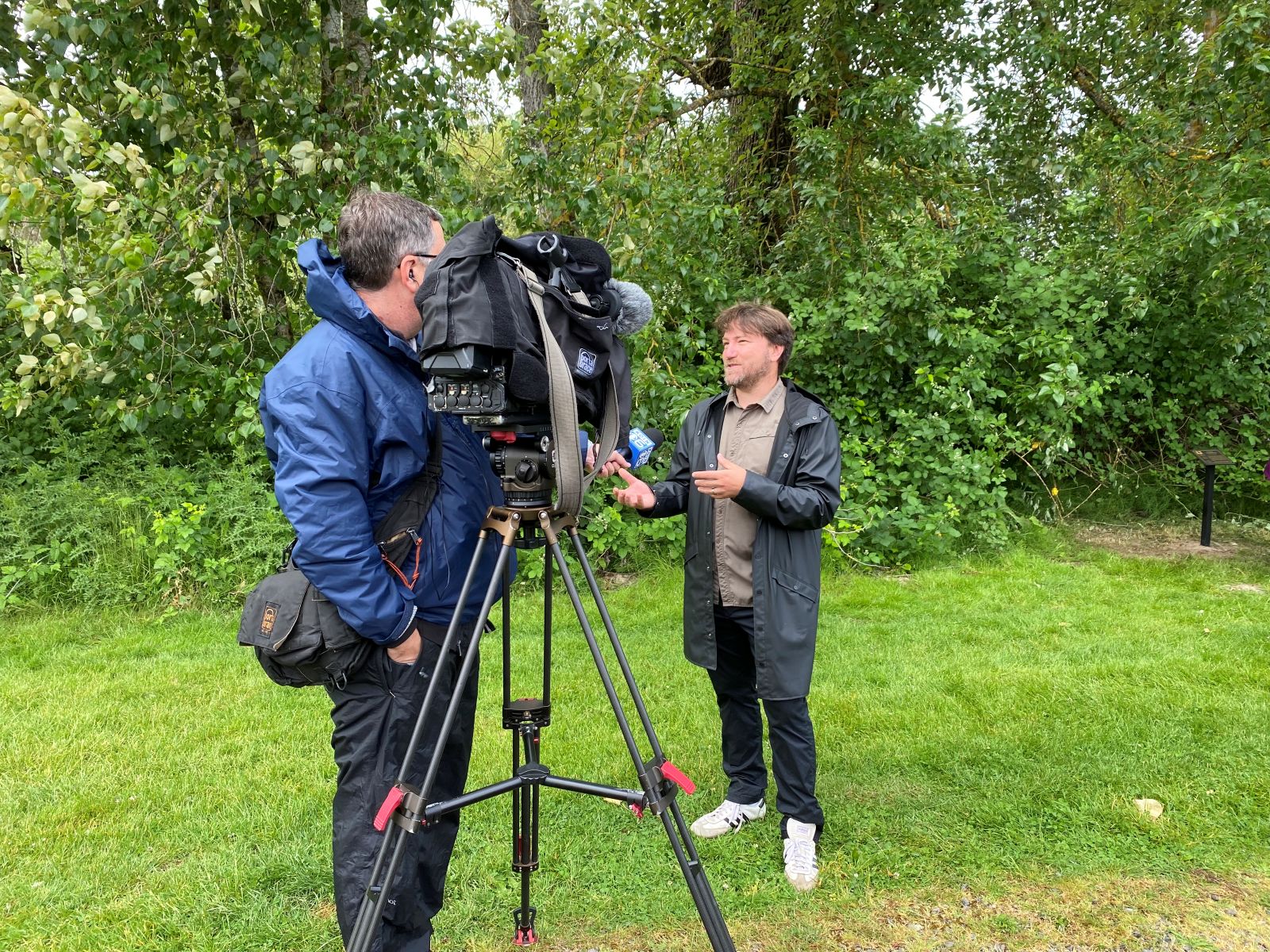
Oregon Heritage Tree Committee Chair Dave Hedberg emphasizes how the cottonwoods aid us in connecting to Oregon’s past. “These trees were likely younger trees growing among clusters of larger trees during the time of Vanport. For over 75 years, they have grown while the landscape transformed. Imagine what these trees have witnessed: construction equipment building a city from farmlands, workers leaving for shifts at the shipyards, kids playing in and around the banks of the slough, and the violent and sudden destruction of the 1948 flood.”
Vanport is also significant because of diverse populations who called it home, particularly Black and Indigenous communities. When displaced after the flood, many Vanport residents remained in Portland and have helped shape the culture and history of the city.
From 1942 to 1948, over 40,000 war industry workers and their families moved to Vanport, which became Oregon’s second largest and most racially diverse city. Vanport was wiped out by a flood in May of 1948. A few of the largest cottonwoods trees are some of the only remaining features from the city. While the families of displaced Vanport survivors continue to tell their stories, these cotton woods help anchor this history to this place.